
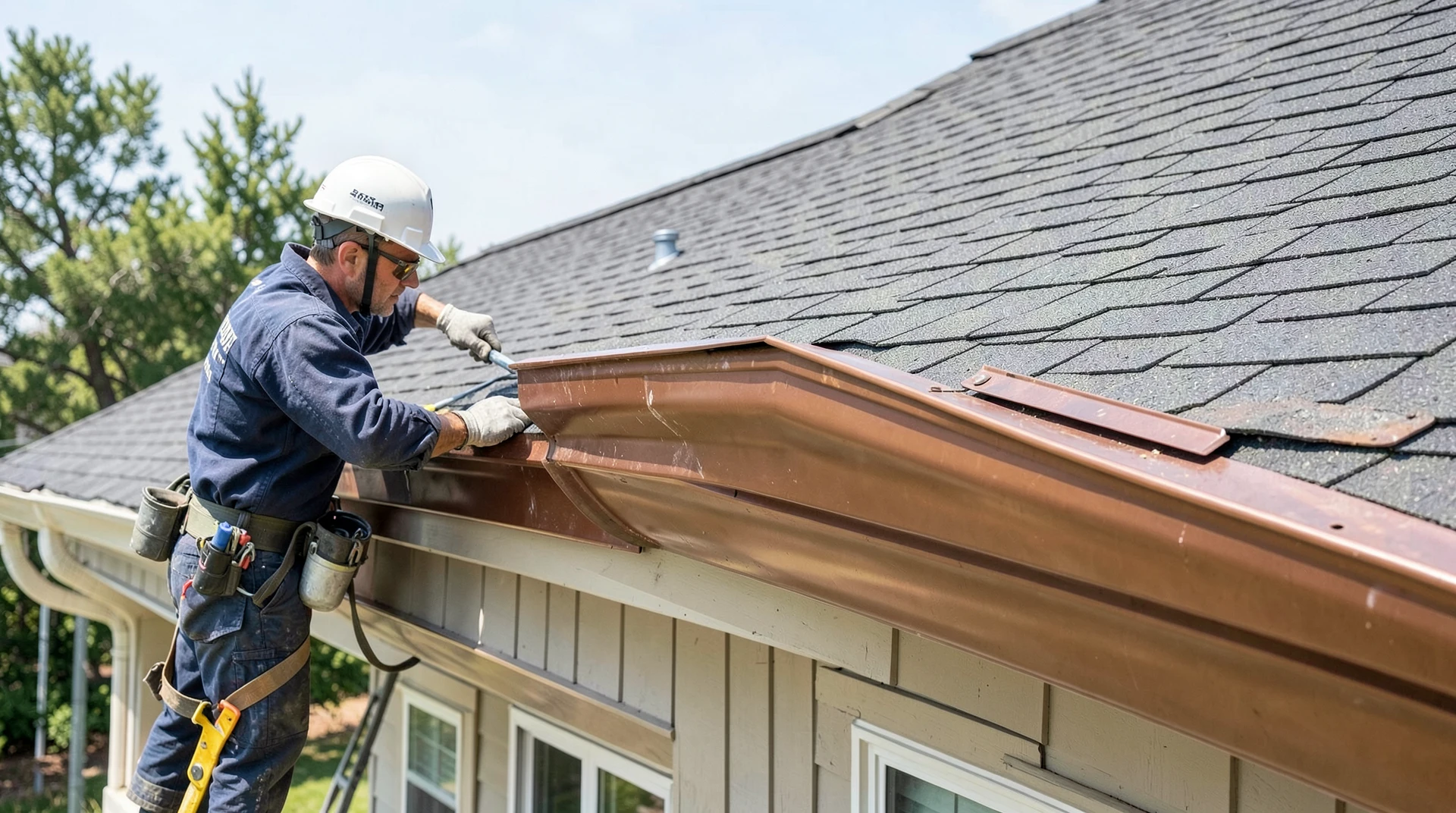
Addressing Drainage Issues with Various Asphalt Roofing Options
Finding a leak is one of the most immediately stressful homeowner experiences. Whether it’s the sudden drip heard late at night in your Indian Creek home or the visible stain spreading across your ceiling after a major storm, that initial panic is totally understandable. You worry about immediate damage, but what many homeowners don't realize-and what I want to make clear-is that treating every leak as an isolated incident often misses the larger picture. The actual problem might not be the shingles themselves, but the underlying drainage system.
At Rock Line Roofing, we’ve spent years helping neighbors across Preston Hollow and surrounding areas understand this crucial distinction. We don't just put materials on a roof; we build protective shields over your family and your investment. Our goal is to move you from reactive repair-constantly patching visible signs of trouble-to proactive readiness. This shift in perspective is the single most cost-effective thing you can do for your home’s long-term longevity, saving both worry and money down the road.
Learn more about why homeowners choose Rock Line Roofing.
When Leaks Become More Than Just Water Damage: Understanding Your Roof’s Drainage System
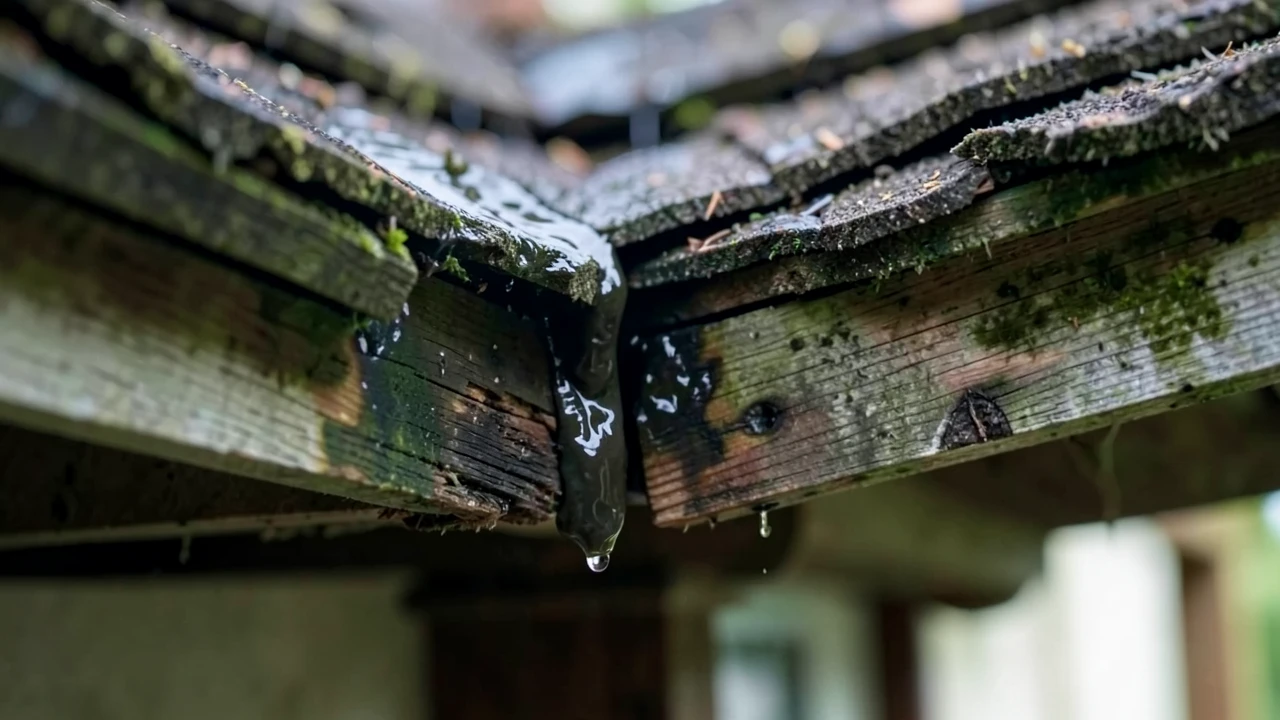
When water enters your attic space or appears as a leak under a shingle, it's easy to assume the asphalt roofing material itself is failing. However, if you look closely at how the damage spreads-the mold growth, the staining that reaches into the fascia boards, or the visible deterioration of underlying structural wood-you realize the issue is rarely just the roof surface. The problem is usually a failure in the water’s intended pathway.
Think of your roof as having multiple layers of defense: the shingling layer, the underlayment, and finally, the carefully designed runoff paths (valleys, gutters, sloped sections). When these pathways fail, standing water-known as ponding-becomes the invisible enemy. This accumulated moisture doesn't just soak into the wood; it overwhelms supporting elements like fascia boards, rots out flashing metals, and degrades attic insulation from within.
We often see this pattern in areas with complex architecture, such as those found throughout Bishop Arts or Indian Creek, where multiple roof lines meet at different elevations. If a valley is poorly sealed, or if gutters are clogged, the water backs up and exerts tremendous pressure on everything beneath it. This secondary structural damage-the rot far from the visible entry point-is often what gets overlooked until it becomes an expensive crisis. By focusing our inspections on drainage flow rather than just patch repairs, we can identify the root cause before a minor leak turns into catastrophic structural failure.
The Mechanics of Failure: How Poor Drainage Degrades Asphalt Roofing Over Time
Understanding why water causes damage requires understanding how gravity and runoff velocity play a critical role. A roof is designed to manage natural flow, but nature often provides extreme conditions-heavy hailstorms, intense downpours, or prolonged periods of high winds-that test those limits.
Poor drainage introduces several specific mechanics of failure:
- Runoff Stress: When rainfall exceeds the system's capacity, water pools in low spots (or areas with insufficient slope). This pooling puts immense, sustained hydrostatic stress on seams, fasteners, and flashing materials, forcing them to fail over time.
- Differential Drainage Hotspots: The most vulnerable points are not always obvious. They include:
- Vents: Any penetration point that allows water vapor or runoff to escape needs specialized flashing (like step flashing) to manage flow direction.
- Valleys: These are natural collection points, and if they aren't continuously maintained and properly sealed, they become primary failure zones.
- Chimney Penetrations: These areas involve multiple materials meeting-metal, masonry, asphalt-and require careful flashing installation to ensure water is redirected outward, not inward.
The material science of this breakdown is key: While modern asphalt shingles are incredibly durable and resistant to environmental wear, they rely on the structure beneath them. Trapped moisture accelerates the decomposition of underlying components like wood decking or even corrodes metal flashings faster than anticipated. This means that addressing addressing drainage issues with various asphalt roofing options isn't just about buying a new shingle; it’s about fortifying the entire water management system.
To help you assess your roof’s health, here is a simple homeowner checklist of systemic signs to look for:
- Green or black mold/mildew stains that appear under flashing or eaves (indicating persistent moisture).
- Visible deterioration or sagging in gutters or fascia boards, suggesting rot from consistent water exposure.
- Soft spots or spongy areas when tapping the roof surface (potential signs of compromised decking due to saturation).
[Anecdote]: I once inspected a home in Lakewood Heights where the visible damage was minimal-just a few small stains. But by following the flow path backward, we found that accumulated debris had blocked two key valleys and allowed perpetual moisture into the attic framing, leading to extensive hidden rot that would have compromised structural integrity within a year.
Selecting the Right Materials: Addressing Drainage Issues with Various Asphalt Roofing Options
The materials you choose for your roof are not just about aesthetics; they are engineering decisions regarding how your property manages water flow under varying conditions. When discussing addressing drainage issues with various asphalt roofing options, we look beyond color and texture to focus on performance, longevity, and water management capability.
Analyzing Asphalt Options Beyond Aesthetics
- 3-Tab Shingles: These are cost-effective and easy for contractors to install quickly. They work well in areas where the pitch is consistent and drainage paths are simple. However, because they have fewer layers of overlapping material, their performance relies heavily on perfect installation and robust underlayment to prevent water from reaching the seams when high volumes of runoff occur.
- Architectural/Laminate Shingles: These provide a superior layered look and often offer better wind resistance and durability. From a drainage standpoint, their deeper layering provides more redundancy-if one layer is compromised by water intrusion, the material below can still act as a temporary barrier, giving time for maintenance before major leaks occur.
Specialized Materials for Complex Drainage Challenges
For properties with low-slope areas (like large patios or commercial additions), standard asphalt shingles are insufficient because they rely on gravity and pitch to drain. Here, we turn to specialized materials designed purely for water management:
- TPO (Thermoplastic Polyolefin): TPO is a common choice for flat roofing. It forms a durable, single-ply membrane that can be welded together seamlessly, creating an impermeable barrier ideal for complex drainage points and areas prone to pooling.
- EPDM (Ethylene Propylene Diene Monomer): Often used on low slopes or existing flat roofs, EPDM is extremely flexible and highly resistant to UV damage. Its elasticity makes it perfect for accommodating movement in the structure while ensuring a continuous water seal over valleys and seams.
- Modified Bitumen: This material is excellent for various flashing applications (like around chimneys or edges) because it can be customized with specific additives to enhance waterproofing properties, making it an ideal secondary element when addressing drainage issues with various asphalt roofing options.
The Critical Role of Underlayment
No matter how beautiful the shingles are, the quality of the underlying protection is paramount. This is where the felt or synthetic membrane comes in. A modern synthetic underlayment is exponentially better than traditional felt because it provides a more uniform and durable barrier. It acts as the roof's primary failsafe layer-the first line of defense against root penetration, minor punctures, and small leaks that might otherwise reach the decking board.
When Is It Time for a Full System Upgrade? Understanding Roof Replacement Costs and Timing
One of the most stressful parts about roofing is knowing when you need to act. Do you wait until the leak appears, or do you replace it based on age? The simple answer is that relying solely on visible signs (like active leaks) means you are always treating the symptom, never the disease.
Clear Guidelines for Replacement Timing
The true indicators that a full system upgrade is necessary often relate to cumulative damage rather than single catastrophic failure:
- Granule Loss: While some granule loss is normal weathering, consistent, widespread loss suggests the asphalt material itself is weakening and losing its protective seal.
- Repeated Minor Repairs: If you find yourself needing multiple minor patch repairs across different sections of your roof within one season or year, it's a major indicator that the underlying drainage system has failed globally and requires comprehensive attention.
- Flashing Failure: Visible corrosion or lifting of flashing materials is often the signal that the entire water management system needs replacement to prevent future structural damage.
[Quote]: As I like to tell clients, "Proactive readiness is always better than reactive repair." Waiting until a leak appears means you're dealing with the aftermath; replacing preemptively-when drainage failures are evident but not yet catastrophic-is how we save you time, money, and worry.
Demystifying Roof Replacement Cost
We know that discussing roof replacement cost Preston Hollow TX can feel daunting. We believe in absolute transparency. A comprehensive quote isn't just a single material price; it’s an assessment of the entire project lifecycle:
- Tear-Off Fees: The removal and proper disposal of the existing roof structure.
- Materials: This includes not only the shingles but also the specialized underlayment, flashing, and necessary vents/gutters needed to ensure superior drainage.
- Labor & Remediation: Crucially, this covers any underlying structural remediation. If we find compromised decking or rotten fascia due to years of water intrusion, those materials must be replaced before a new roof can be installed. Ignoring the sub-structure guarantees future failure.
The benefit of proactive full replacement is that it cures the drainage issue entirely. Repeated patching due to systemic drainage issues is not only expensive but fails to provide true peace of mind. We position your roof as a critical, visible investment that protects and increases property value in distinguished neighborhoods like Greenville Avenue or Lakewood Heights.
The Path Forward: Securing Your Home’s Shield Through Professional Inspection
Because the integrity of a roof's drainage system is often hidden from plain view-under eaves, within valleys, or obscured by decades of growth-a professional inspection is non-negotiable. You need expert eyes to see what is failing before it causes damage inside your home.
Our inspection process goes far beyond simply checking the shingles for holes. We evaluate:
- Water Flow Dynamics: Mapping how water moves across every plane, identifying any potential ponding or backflow risk.
- Flashings Integrity: Checking the seals and overlaps on all penetrations (vents, pipes, etc.).
- Underlying Structure: Assessing visible signs of wood decay or compromised decking due to chronic moisture exposure.
If you are dealing with severe weather damage from hail or high winds, navigating an insurance claim can feel overwhelming. We aim to demystify that process for our neighbors. We don't just provide a quote; we offer guidance on what the adjuster needs to see and how best to document structural failures caused by water intrusion.
Our commitment to transparency right here in Preston Hollow TX means absolute honesty regarding necessary repairs versus cosmetic fixes. We promise no pressure tactics, only expert advice based on what the roof needs to keep your family safe and dry for decades to come.
If you've been concerned about subtle staining, persistent damp spots, or general moisture anxiety after a storm, please don’t wait until the next heavy rain hits. Take that first step toward proactive readiness by scheduling an initial inspection consultation with us. We focus purely on diagnosis, giving you clarity and peace of mind before discussing any materials or costs.